Best Banks for US Citizens Living Abroad: FATCA, FBAR and Practical Options
Why some foreign banks turn away Americans, what FATCA and FBAR mean for you, and practical banking setups for US citizens living abroad.

Quick answer
US citizens abroad usually do best with a combination: a US bank account that allows a foreign address, a low-fee way to move money internationally, and a local account where they live. Because of FATCA reporting, some foreign banks limit American customers, and US citizens must file an FBAR when their foreign accounts together exceed $10,000 at any point in the year.
Affiliate disclosure:Some links earn us a commission at no cost to you. We've used every service we recommend. No sponsored content.
Low-Fee Transfers
Wise
Why banking is harder for Americans abroad
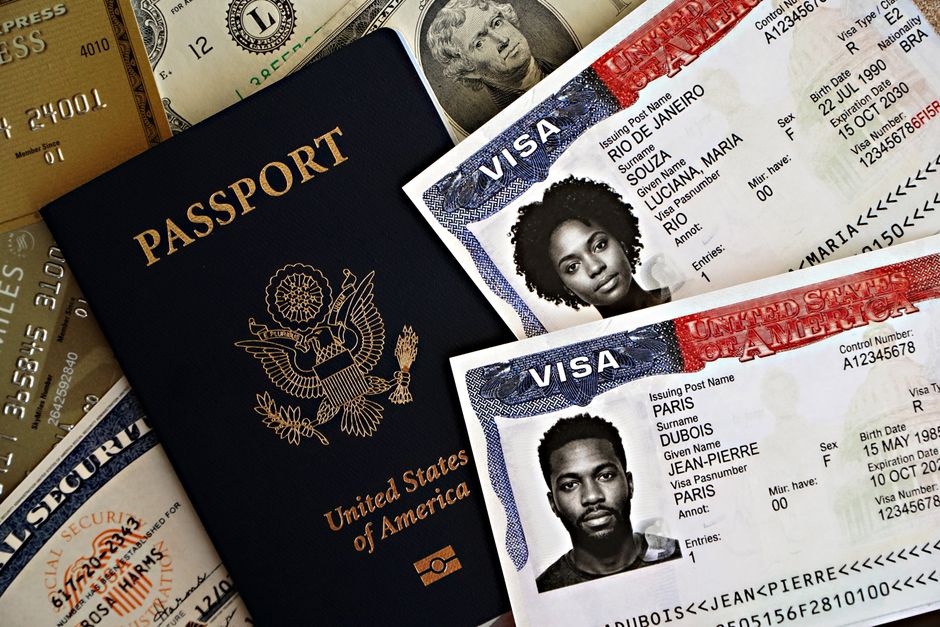
The United States taxes citizens on their worldwide income wherever they live. Under FATCA, foreign banks have to report accounts held by US persons to the US tax authorities. For some smaller banks, that reporting is more hassle than it is worth, so they limit or refuse American customers.
At the same time, some US banks close accounts when a customer moves abroad or only has a foreign address. The result: Americans sometimes find it hard to bank on both sides.
FBAR and FATCA in plain English
FBAR is a report US persons file when the combined balance of all their foreign financial accounts goes above $10,000 at any time during the year. It is an information report, not a tax, but penalties for not filing can be serious.
FATCA works mainly through banks reporting to the IRS, and some taxpayers with larger foreign assets also file Form 8938 with their tax return. Thresholds and rules have details that depend on your situation, so check IRS guidance or a cross-border tax professional.
A practical banking setup

Most American expats end up with three pieces that work together.
- A US checking account that accepts customers living abroad, for US income, cards and bills
- A low-fee international transfer service to move money between currencies
- A local bank account in your country of residence for rent, salary and daily life
- A credit card with no foreign transaction fees
- Optional: a US brokerage that still serves non-resident clients
Keeping your US bank account open
Before you move, ask your US bank directly whether it allows customers living abroad and whether it accepts a foreign address. Some banks are more expat-friendly than others, and policies change, so get the answer in writing if you can.
Keep online access, a US phone number for verification codes, and a reliable US mailing arrangement if the bank requires one.
Opening a local account abroad

Bring your passport, residence permit, proof of address and your US taxpayer identification number, because banks will ask for it for FATCA. Larger banks with international operations are often more comfortable onboarding Americans than small local banks.
Moving money without losing it to fees
Traditional international wires and card exchange markups add up fast. Compare the real exchange rate and fees of transfer services before each large transfer, and always pay in local currency when a card machine offers a conversion.
Also Recommended
Charles Schwab
Questions we get asked
Why do foreign banks refuse US citizens?
FATCA requires foreign banks to report US account holders to the IRS. Some banks decide the compliance work is not worth it and limit American customers.
When do I need to file an FBAR?
When the combined value of your foreign financial accounts exceeds $10,000 at any time during the calendar year.
Can I keep my US bank account if I move abroad?
Often yes, but policies vary. Ask your bank before moving whether it allows customers with a foreign address.
Services we use & recommend
Advertisement
Sponsored: today's featured offer →Advertisement